

Picking up a crochet hook for the first time feels like discovering a secret language that connects you to a beautiful, tactile world of creativity. You might feel a bit overwhelmed by the sheer amount of yarn, hooks, and terminology floating around, but every expert once stood exactly where you are right now. Learning the basics of crochet for beginners is not just about making loops; it is about finding a rhythmic, meditative way to express yourself through fiber arts. Whether you want to make a tiny amigurumi friend or a cozy blanket, the foundation remains the same.
As you prepare your workspace, remember that you don't need an expensive studio to start your journey. A simple ergonomic hook, a skein of soft cotton or acrylic yarn, and a pair of scissors are plenty to get your first stitches moving. If you are looking for a reliable crochet patetrn to guide your very first project, choosing something simple like a granny square or a basic scarf can boost your confidence immensely. The goal is to enjoy the process of learning rather than rushing toward a finished masterpiece.
Essential Tools and Materials to Gather

Before you dive into your first stitch, you need to understand your toolkit. The most important duo is your hook and your yarn. For those just starting, I always recommend choosing a medium-weight yarn, often labeled as "worsted weight" or "size 4." This thickness makes it much easier to see your stitches and track your progress. Avoid dark colors like black or navy blue for your first few tries, as they hide the definition of your loops and can lead to frustration when you lose your place.
Your hook size should generally match the yarn weight recommended on the yarn label. A 5.0mm (H) hook is a fantastic all-rounder that works beautifully with most beginner-friendly yarns. Beyond the hook and yarn, you will want a small pair of sharp scissors, a tapestry needle for weaving in ends, and some stitch markers. Stitch markers are lifesavers when you are working in rounds, as they clearly mark where your round begins so you never lose count of your stitches.
Think about the texture of the yarn you choose as well. While alpaca or mohair blends look stunning, they can be quite slippery and difficult for new hands to manage. Cotton or high-quality acrylic yarns offer more "grip" and stability. This stability helps you maintain consistent tension, which is one of the biggest hurdles when mastering the basics of crochet for beginners. Having the right materials makes the learning curve much smoother and much more enjoyable.
Understanding Your First Stitches and Techniques

Every crochet project is built from a small set of fundamental movements. The journey begins with the slip knot, which is simply the loop that attaches your yarn to the hook. Once you have your slip knot, you will learn to create a foundation chain. This chain serves as the base for almost every flat piece, like a dishcloth or a headband. It might look a bit uneven at first, but don't worry; your tension will stabilize as you gain more muscle memory.
Once your chain is ready, you can move on to the core stitches that define the craft. The single crochet (sc) is the most common starting point because it creates a tight, sturdy fabric perfect for amigurumi. Next, you will encounter the half-double crochet (hdc) and the double crochet (dc). Each of these stitches uses a different amount of yarn and creates a different height and drape. Learning how to transition between these stitches is where the real magic happens, allowing you and your hook to create intricate textures.
Mastering tension is perhaps the most important skill to practice alongside these stitches. If you pull too tight, your hook will struggle to enter the loops, making the process tedious. If you are too loose, your stitches will look sloppy and the fabric will lose its shape. A great way to practice is to crochet a simple "swatch," which is just a small square of stitches. This allows you to experiment with different hook sizes and yarn types without the pressure of completing a large project.
How to Read a Crochet Pattern Effectively
Once you feel comfortable with basic stitches, you will naturally want to try more complex designs. This is where reading patterns becomes your superpower. A crochet pattern is essentially a set of instructions written in a specific shorthand. You will see abbreviations like "ch" for chain, "sc" for single crochet, and "inc" for increase. Learning this vocabulary is a vital part of the basics of crochet for beginners, as it allows you to follow much more detailed and beautiful designs.
When you open a new pattern, always read through the entire document from start to finish before you pick up your hook. This helps you anticipate any tricky sections or sudden changes in stitch counts. Pay close attention to the "materials" section to ensure you have the correct yarn weight and hook size. Many patterns also include a "gauge" section, which tells you how many stitches should fit into a specific measurement. While gauge might seem intimidating, it is simply a guide to ensure your finished item turns out the size you expect.
Don't be afraid to use a highlighter or a notebook to track your progress through a pattern. If a pattern tells you to "repeat rows 1-4," write that down clearly so you don't lose your place. If you encounter a term you don't recognize, look it up immediately or check the pattern's glossary. The more you practice reading these instructions, the more intuitive they will become, eventually allowing you to follow complex lace or textured patterns with ease.
Common Mistakes and How to Fix Them
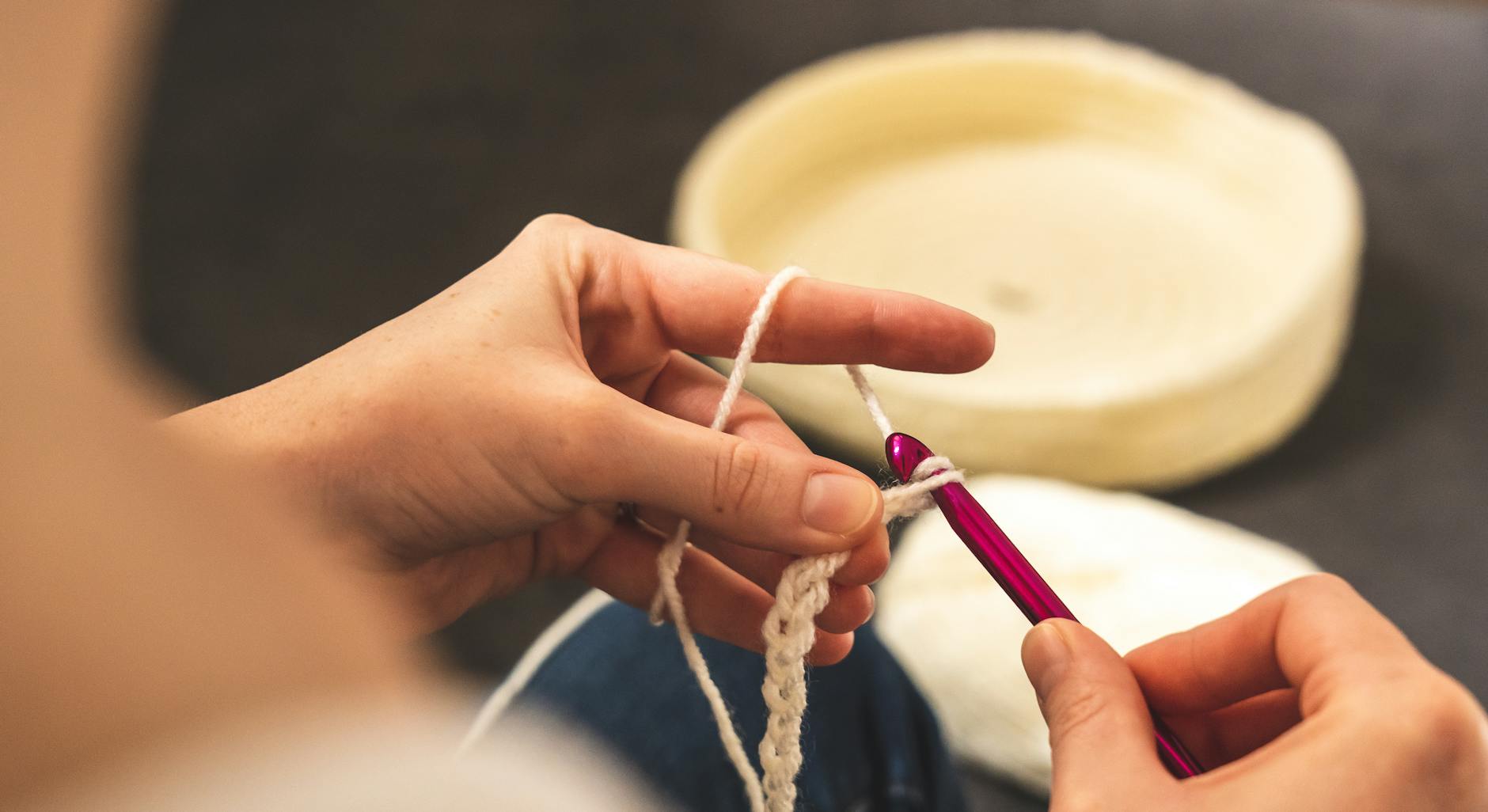
Every crocheter, even those who have been crafting for decades, makes mistakes. One of the most frequent errors is accidentally adding extra stitches at the ends of your rows. This causes your work to look like a triangle instead of a rectangle. To prevent this, always count your stitches at the end of every single row. Using a stitch marker in the very first stitch of your row can also act as a visual reminder of where to stop.
Another common struggle is inconsistent tension, which can make your edges look wavy or uneven. This often happens when you are nervous or trying to work too quickly. If you notice your stitches are becoming too tight, take a break, stretch your hands, and try to relax your grip. Remember, crochet is a slow art. There is no race. If you find yourself getting frustrated, put the project down and come back to it when you feel more composed.
Lastly, don't be discouraged by "frogging." In the crochet community, we call ripping out your work "frogging" because you "rip it, rip it" (sounds like a frog). While it feels like a waste of time, frogging is actually a vital part of the learning process. It gives you a chance to see exactly where you went wrong and redo the section with better technique. Every time you frog a piece, you are actually teaching your hands how to do it correctly the next time.
Hand Tendy provides a wonderful collection of downloadable PDF patterns designed to help you practice these essential skills. As you continue to grow, Hand Tendy offers various levels of complexity to keep your creativity flowing and your stitches improving.
0 comments